Stumptown Coffee Review 2026: Did JAB Kill the Magic?

Real talk… Stumptown used to mean something specific. It meant a Portland roaster that paid above-market prices for green coffee before most people knew what “direct trade” was. It meant the Hair Bender on every serious home barista's shortlist. It meant cold brew before cold brew was a grocery store staple.
Then JAB Holdings bought them in 2015. Then the RTD cold brew went national. And now you can grab a Stumptown in most US supermarkets, airports, and Alaska Airlines flights.
So the question everyone's been dancing around: is Stumptown still worth buying in 2026, or has the brand just become a prettier Starbucks?
I've been buying, brewing, and drinking Stumptown for years. Here's my actual answer.
Stumptown Coffee at a Glance (2026)
| Category | Stumptown Coffee Review Verdict |
|---|---|
| Overall Quality | Still genuinely good. Not what it was, but better than most mainstream options. |
| Hair Bender Blend | Best thing they make. Still a top-tier espresso blend at $19. |
| Cold Brew Cans | Solid, clean, widely available. Not the most exciting, but reliable. |
| Single Origins | Impressive sourcing. Ethiopia Mordecofe and Rwanda Huye Mountain are standouts. |
| Subscription Value | 15% off first shipment. Worth it if you drink it regularly. |
| Post-Acquisition Quality | Slightly more consistent, slightly less adventurous. Fair trade-off for most. |
| Best For | Home espresso fans, cold brew drinkers, specialty coffee newcomers. |
| Rating | ⭐⭐⭐⭐ 4/5 |
What Is Stumptown Coffee, and Why Does the Acquisition Matter?
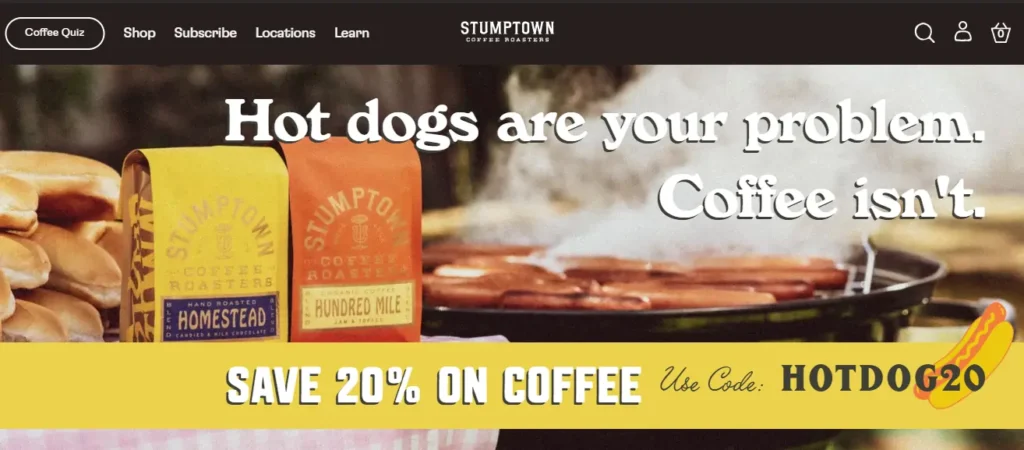
Stumptown Coffee Roasters was founded in Portland, Oregon in 1999 by Duane Sorenson. Before the term “third wave coffee” was common language, Stumptown was already visiting farms, building direct trade relationships, and paying prices that made the commodity coffee industry uncomfortable.
They helped set a world record at the 2004 Best of Panama auction, driving bids to $21/lb at a time when that number was almost incomprehensible. A lot of the sourcing standards that specialty roasters treat as standard practice today? Stumptown was doing that before it had a name.
Then in 2015, JAB Holdings, the same conglomerate that owns Peet's, Caribou Coffee, and a handful of other brands, acquired them. The backlash was predictable. The fear was real.
Here's the thing: JAB's acquisition didn't ruin Stumptown. It did, however, change what Stumptown is optimizing for. More consistency. More distribution. Less edge.
Stumptown Hair Bender Review: Is the Signature Blend Still Worth It?
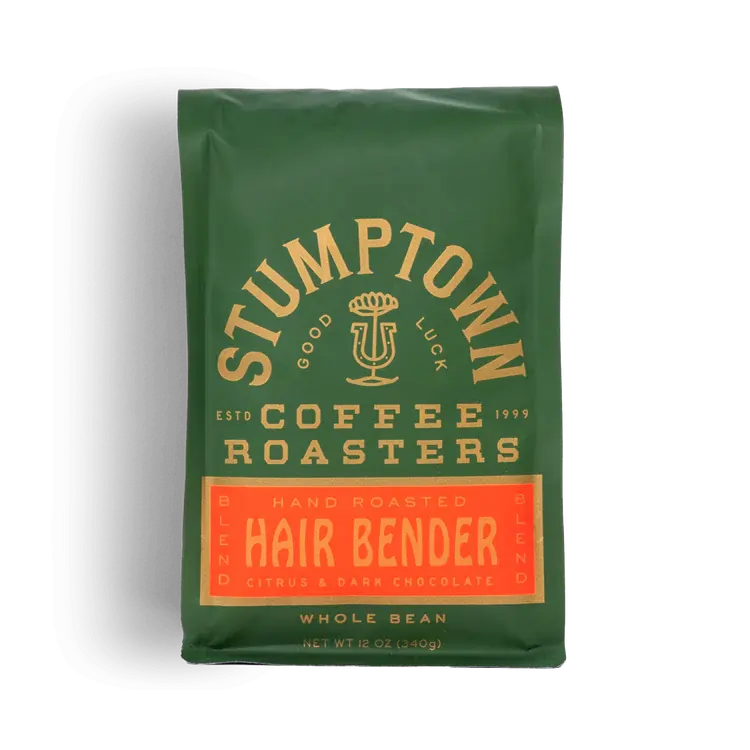
The Hair Bender is the answer to “what should I buy from Stumptown?” At $19 for 12oz, it's been their flagship espresso blend for over two decades and still one of the most accessible entry points into genuinely good espresso.
Hair Bender Tasting Breakdown
| Element | What You'll Actually Taste |
|---|---|
| Citrus | Orange peel, not lemon, shows up brightest in espresso |
| Dark Chocolate | Mid-palate, more pronounced as drip coffee |
| Raisin | Lingers in the finish; more noticeable on the pull-back |
| Body | Medium-full, works well with and without milk |
| Roast Level | Medium, approachable, never harsh |
As a pour-over or drip coffee, Hair Bender holds up well. The dark chocolate is more forward and it's genuinely drinkable without milk. Not the most interesting cup you'll have from a single origin, but that's not what a blend is for.
The question I get asked constantly: has the Hair Bender changed post-acquisition?
Honestly? Marginally. The roast profile reads slightly more consistent now, which some people interpret as “safer.” I'd rather it pushed a bit harder on the citrus brightness. But compared to a supermarket blend at the same price? It's not even close. Hair Bender wins by a distance.
Hair Bender vs. Competing Espresso Blends
| Blend | Price (12oz) | Tasting Notes | Best Brew Method |
|---|---|---|---|
| Stumptown Hair Bender | $19 | Citrus, dark chocolate, raisin | Espresso, drip |
| Blue Bottle Three Africas | $22 | Berry, citrus, caramel | Pour-over |
| Intelligentsia Black Cat | $21 | Stone fruit, brown sugar | Espresso, cappuccino |
The Hair Bender sits comfortably in this tier. In the stumptown vs blue bottle debate, it comes down to brew method. Hair Bender is more espresso-forward and versatile. Three Africas is brighter and more delicate. Neither is wrong.
Stumptown Cold Brew Review: What Happened When It Went National?
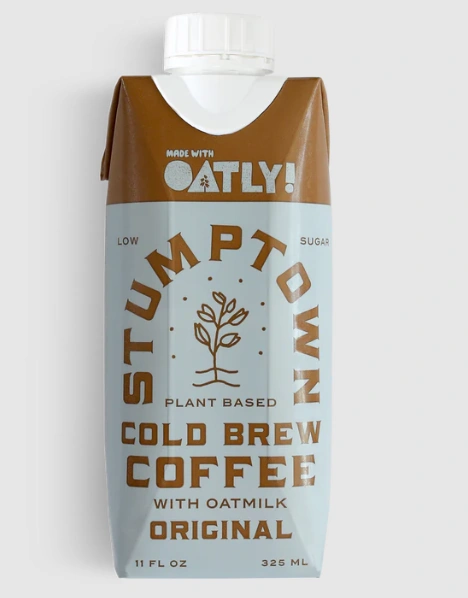
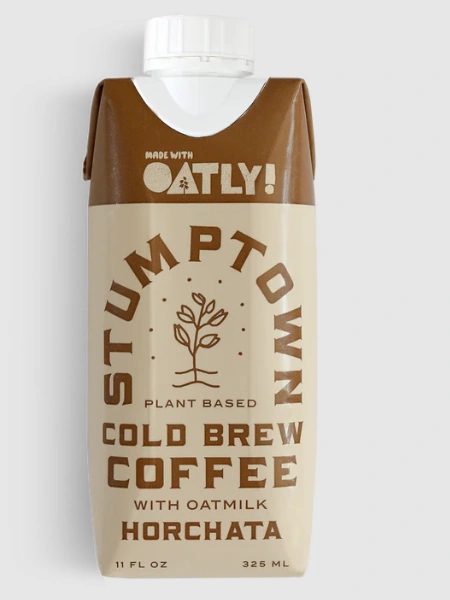
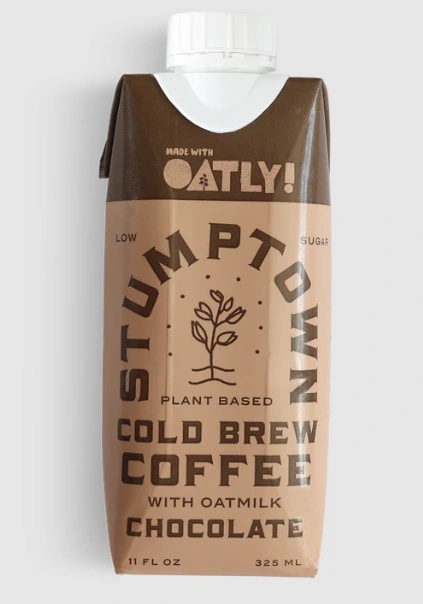
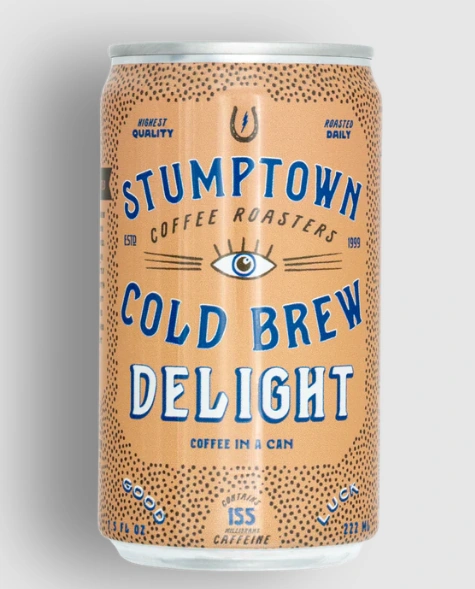
This is where the “gone mainstream” question gets most interesting.
Stumptown's cold brew in a can was one of the first genuine specialty-quality RTD cold brews to hit national grocery distribution. That was a real achievement. The current canned version is still clean and smooth, made with their Hair Bender blend, slow-steeped for 20+ hours, low acid, no bitterness.
Honest take: The stumptown cold brew is now firmly a mainstream product. Optimised for consistency and mass distribution. It's what you grab at the airport and feel good about. That's a different product category from a craft cold brew, and it's fine to say that.
Stumptown Cold Brew vs. Competitors
| Product | Price (approx) | Taste Profile | Availability |
|---|---|---|---|
| Stumptown Cold Brew Can | ~$4-5 | Clean, smooth, low acid | Nationwide, grocery |
| Blue Bottle New Orleans | ~$12 | Rich, chicory-forward | Limited, mostly online |
| Chameleon Concentrate | ~$9 | Balanced, organic | Specialty stores |
For most people buying cold brew from a grocery store: Stumptown is the right call. For craft-level cold brew? Your local specialty roaster beats it.
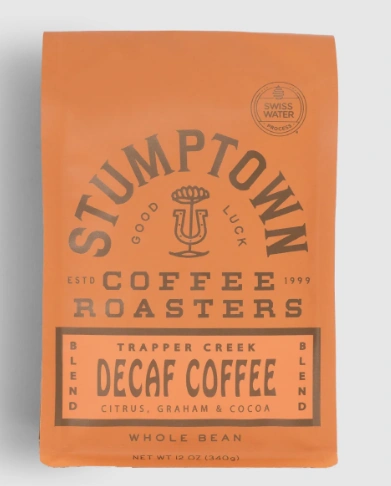
Stumptown Single Origins: The Part That Still Genuinely Impresses Me
Here's where I want to push back on the cynicism, because the single origin program deserves more credit than it gets.
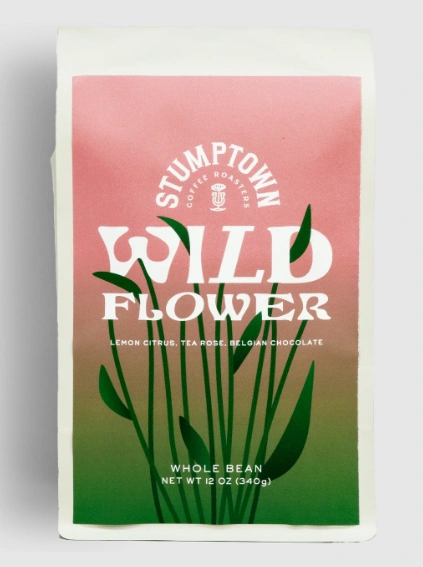
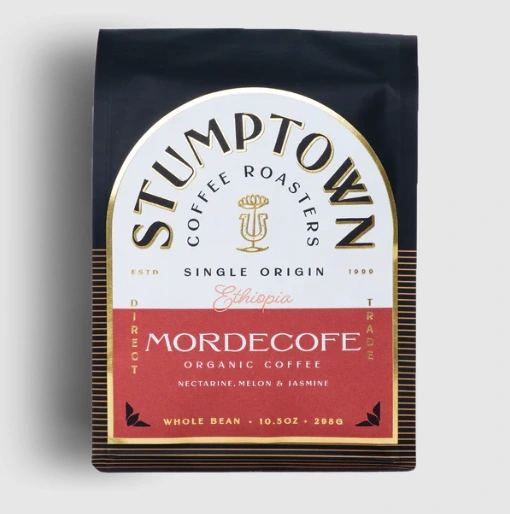
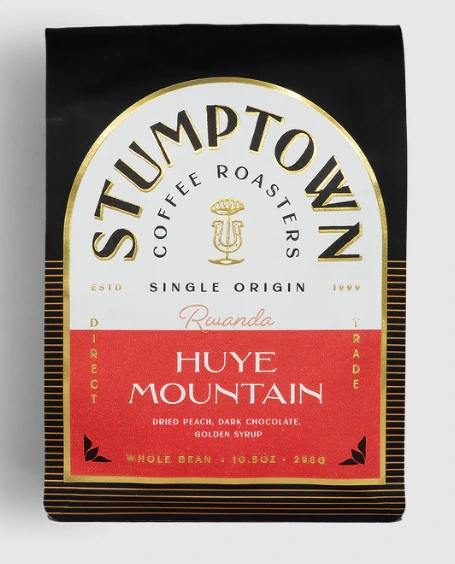
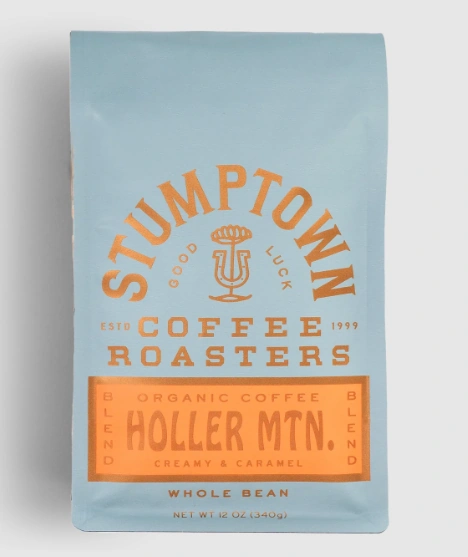
The Current Lineup Worth Knowing
Rwanda Huye Mountain: The Sourcing Story That Actually Holds Up
This one is worth calling out specifically.
David Rubanzangabo came to coffee through his studies in agronomy. He planted his own coffee trees, built a small washing station, and drew in the producers he'd trained over years in Rwanda's agricultural sector. Huye Mountain was born from that community.
Stumptown's involvement goes beyond buying the beans:
That's not greenwashing. That's an actual multi-year investment in a supply chain. And the cup reflects it, the quality is traceable.
What Stumptown's Certifications Actually Mean
| Credential | What It Actually Means |
|---|---|
| B Corp Certified | Independently assessed on social and environmental performance standards. Not a perfect system, but it's not nothing. |
| Direct Trade | Stumptown buys directly from farms, bypassing commodity brokers. Prices paid are above fair trade minimums. |
| Sustainable Practices | Covers packaging, carbon offsets, and producer programs like the Huye Mountain seedling project. |
Real talk: If the JAB acquisition has quietly shifted sourcing priorities over time isn't something you can see from a bag of coffee. The transparency is there. But if supply chain provenance is your primary concern, supplement your Stumptown rotation with a genuinely independent local roaster. Not instead of — in addition to.
What the Stumptown Coffee Quiz Actually Tells You
Stumptown has a coffee quiz on their site to match you with the right roast based on flavour preferences and brew method. It's… fine.
The recommendation logic is sensible:
It's a gentle onramp for people who find the full specialty lineup overwhelming. Not a sophisticated tool. More like a “don't buy the wrong thing” filter for first-time buyers. If you're buying Stumptown as a gift and you're not sure where to start, the quiz saves you from guessing. That's genuinely useful.
Stumptown Subscription: Is It Worth the Commitment?
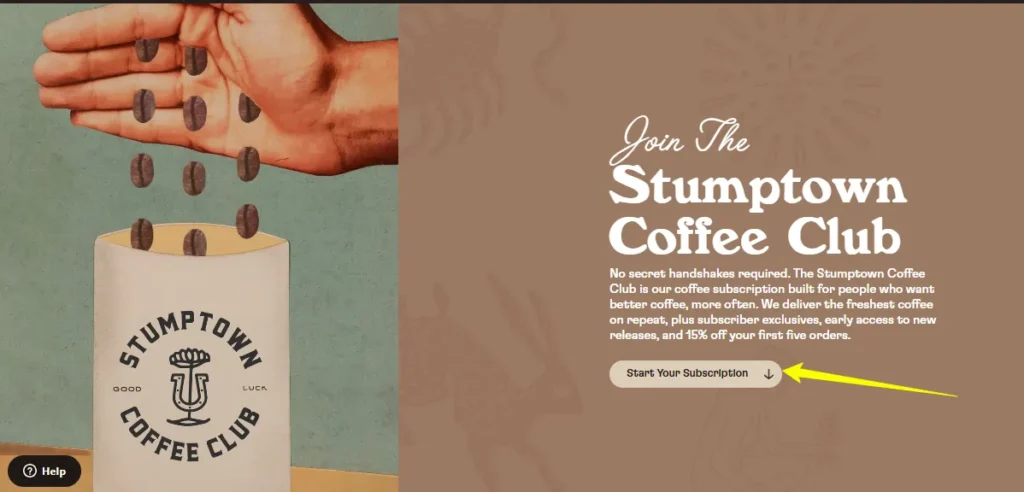
The stumptown subscription currently offers 15% off your first shipment. Ongoing pricing is standard retail with flexible scheduling.
Is the Subscription Worth It?
| Situation | Verdict |
|---|---|
| You already love Hair Bender or Holler Mountain | Yes. Lock it in. Fresh roast, consistent delivery. |
| You like exploring new coffees regularly | Maybe. The rotating single origins work well on subscription. |
| You only buy coffee occasionally | No. Freshness windows matter. Don't let it sit. |
| You're trying Stumptown for the first time | Use the 15% off first order to test before committing. |
The 15% off first shipment is genuinely worth using. Just make sure you've dialled in which product you want before you commit. A subscription is only good value if you actually love what's arriving.
If you're also building out your home coffee setup, our guide to the best burr grinders under $200 is worth reading before you commit to a subscription roast, what you're grinding with matters as much as what you're buying.
What Stumptown Gets Wrong: The Honest Part
I promised you honesty, so here it is. 🎯
The Real Negatives
Stumptown vs. Blue Bottle: Where Each Brand Stands in 2026
Both are specialty roasters with corporate parent companies. Both maintain direct trade credentials. Both have expanded distribution significantly from their independent origins.
| Factor | Stumptown | Blue Bottle |
|---|---|---|
| Parent Company | JAB Holdings | Nestlé |
| Price Range | $19-$23 per 12oz | $22-$28 per 12oz |
| Availability | Nationwide grocery + online | Limited retail + online |
| Roast Character | Consistent, approachable | More adventurous, distinct |
| Cold Brew RTD | Strong, widely distributed | Limited, premium |
| Best For | Everyday buying, grocery access | Specialty-first buyers |
If you live near a Blue Bottle café, go drink there. If you're buying from a grocery store or online, Stumptown is the more reliable bet for the price. And I'm not apologizing for that answer.
FAQ Related to Stumptown Coffee
Is Stumptown Coffee still good after being acquired?
Yes. Stumptown still produces genuinely good coffee, particularly the Hair Bender blend and its single-origin offerings. The roast profiles are safer post-acquisition, but quality remains well above mainstream alternatives at similar price points.
What does Stumptown Hair Bender taste like?
Hair Bender is Stumptown's signature espresso blend with tasting notes of citrus, dark chocolate, and raisin. The citrus reads as orange peel, the chocolate comes through mid-palate, and the raisin lingers in the finish. It works well as espresso and as drip coffee.
Is Stumptown cold brew good?
Stumptown's canned cold brew is among the best widely available RTD cold brews on the market, clean, smooth, low acid, with no bitterness. It's not a craft cold brew from your local specialty café, but for grocery-store cold brew, it's near the top of its category.
How does Stumptown compare to Blue Bottle?
Both are specialty roasters with corporate parent companies. Blue Bottle is more expensive and maintains a more premium retail experience. Stumptown is more widely available and better value for everyday buying. For online or grocery purchases, Stumptown is the more practical choice.
Is the Stumptown coffee subscription worth it?
Yes, if you've identified a specific Stumptown coffee you drink regularly. The 30% off first shipment makes it worth trying. Subscriptions offer flexible scheduling and freshly roasted coffee shipped on your terms.
What is Stumptown's best coffee for beginners?
The Holler Mountain blend, citrus, caramel, and berry jam at $20, is the most approachable entry point. It works across most brew methods and doesn't require dialling in the way the Hair Bender does for espresso. Use Stumptown's coffee quiz on their site to narrow down your preferences if you're unsure where to start.
The Verdict: Still Worth It. But Eyes Open.
Stumptown in 2026 is not Stumptown in 2005. That version is gone, and pretending otherwise isn't useful.
What Stumptown is now:
For most people, home espresso drinkers, cold brew fans, specialty coffee curious people who don't want to become obsessed, Stumptown is still a solid answer to “what coffee should I buy?”
For the cutting-edge specialty buyer: supplement your Stumptown rotation with smaller independent roasters. Not instead of. In addition to.
The Hair Bender alone earns four stars. The sourcing program earns them back when the price makes you hesitate. And the fact that you can grab genuinely good coffee at most US airports is, when you think about it, a version of success worth acknowledging.