Intelligentsia Coffee Review: Chicago’s Best in 2026

Intelligentsia Coffee is one of the most historically significant specialty roasters in the United States, and yes, the coffee is still genuinely excellent. But “still the best”? That depends on what you're optimizing for.
If you want direct trade sourcing you can actually trace, single origins with real terroir, and an espresso blend (Black Cat) that has earned its legendary status, Intelligentsia delivers. If you're optimizing for value-per-gram in specialty coffee, you'll want to read to the end.
Is Intelligentsia Coffee Still Worth It? The Short Answer First.
| Category | Rating | Intelligentsia Coffee Review Verdict |
|---|---|---|
| Coffee Quality | ⭐⭐⭐⭐⭐ | Exceptional, especially single origins |
| Black Cat Espresso | ⭐⭐⭐⭐⭐ | Benchmark-level third-wave espresso |
| Direct Trade Sourcing | ⭐⭐⭐⭐ | One of the originals, still credible |
| Price | ⭐⭐⭐ | $17.50 to $33/bag. Above average. |
| Value for Money | ⭐⭐⭐ | Good, not great. Legacy premium baked in. |
| Dark Roast Selection | ⭐⭐ | Weak. Clearly not their focus. |
| Roast Date Transparency | ⭐⭐⭐ | Lags behind smaller independent roasters |
| Overall | 4.2 / 5 | Worth it for specialty enthusiasts |
Why Intelligentsia Coffee Actually Matters
Intelligentsia Coffee was founded in 1995 in Chicago by Doug Zell and Emily Mange. That's not trivia. That's context.
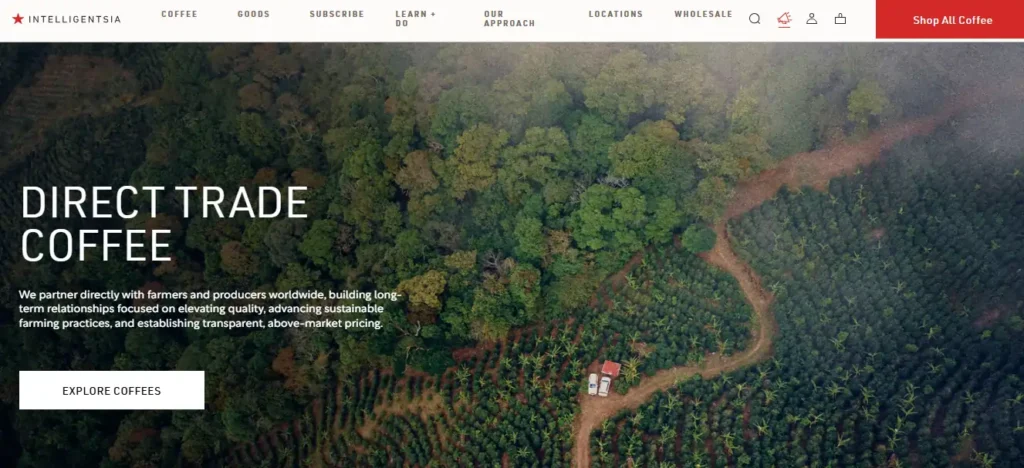
In 1995, specialty coffee in America meant a Starbucks on the corner. The idea that a roaster would travel to origin, build direct relationships with individual farmers, pay above Fair Trade prices, and publish that sourcing information publicly… that was radical.
Intelligentsia didn't just participate in the third-wave coffee movement. They helped build it.
Their direct trade program, developed alongside green coffee buyer Geoff Watts, became the template that dozens of specialty roasters now follow. The concept was simple but operationally demanding: skip the commodity chain, go to the farm, pay more for better coffee, and tell your customer exactly where their bag came from.
Brand Context
Founded: 1995, Chicago, Illinois
Headquarters: 1850 W. Fulton Street, Chicago
Ownership: Peet's Coffee (majority stake, acquired 2015)
Known For: Direct trade sourcing, Black Cat espresso, third-wave pioneer status
Ships: Fresh-roasted, subscription available with free shipping
That approach shaped how specialty coffee works today. Knowing that history matters before evaluating whether the $25 bag in your hand is actually worth it.
Intelligentsia Direct Trade: Still Real, or Just Marketing Now?
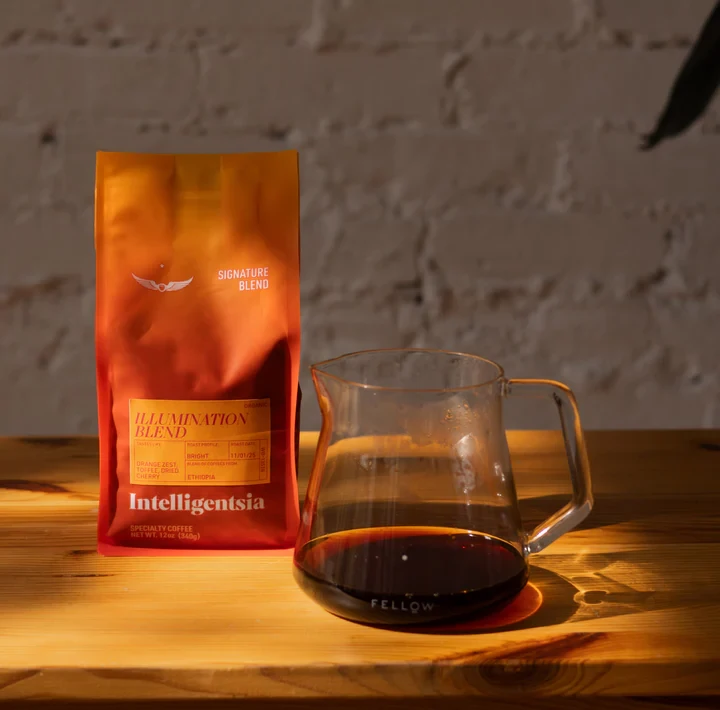
Here's the thing nobody tells you about “direct trade” in 2026…
Most brands use the phrase. Very few do the actual work. Intelligentsia was doing origin trips and long-term producer relationships before it was a marketing asset. That history is verifiable and documented.
Their Ethiopia program is the clearest example.
☕ Sourcing Spotlight: Ethiopia
Ethiopia Kirite Washed ($25 / 10oz)
Origin: Guji Zone, Ethiopia
Producer: METAD operation, Adinew family
Process: Washed
Relationship: Multi-season, long-term continuity
Flavor notes: Fresh peach, Meyer lemon, hibiscus aromatics
That kind of continuity in producer relationships is not common. Most specialty roasters rotate origins constantly, chasing novelty. Intelligentsia's Guji sourcing is explicitly described as a long-term effort to eventually reach single-farm lot specificity. That's a genuine strategy, not a seasonal brochure line.
The Ethiopia Bishan Fugu Natural ($26) runs through the same Adinew family network. The METAD operation processes and exports with a level of operational rigor that enables the traceability Intelligentsia publishes on each product page.
Is the direct trade program still fully intact? With caveats, yes. Post-Peet's acquisition, the financial structure of the company changed. Scale pressures don't always favor precision sourcing. The program appears substantively real in 2026, but consumers should hold Intelligentsia to the same scrutiny they'd apply to any brand. The legacy was earned. The present still needs to prove itself season by season.
The Black Cat Espresso: Does It Live Up to the Reputation? ☕
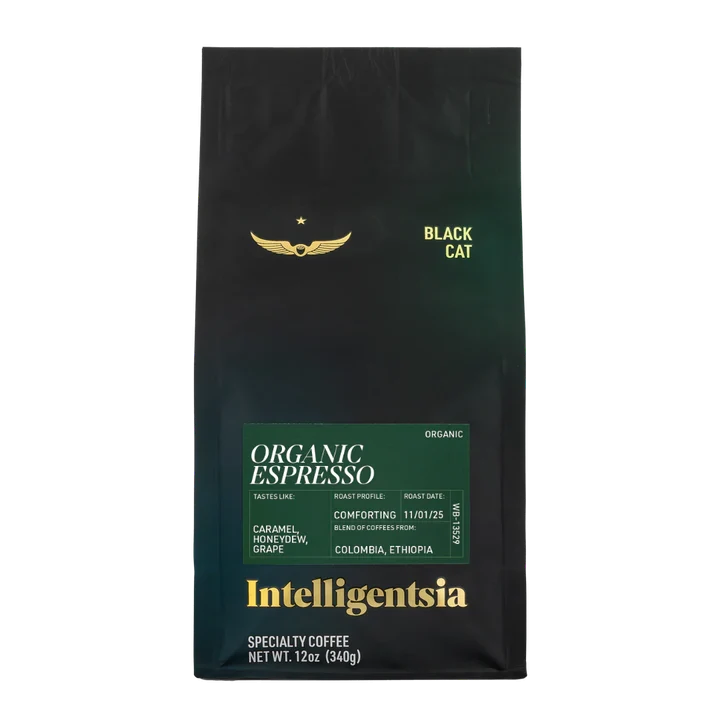
Short answer: yes. Longer answer: only if you understand what it's designed to be.
Black Cat Espresso Range: Quick Reference
| Product | Price | Profile | Best For |
|---|---|---|---|
| Black Cat Classic | $17.50 / 12oz | Bright, citrus, milk chocolate | Third-wave espresso, light roast fans |
| Black Cat Analog | $17.50 / 12oz | Darker, lower acid, full body | Traditional espresso drinkers |
| Organic Black Cat | $18.50 / 12oz | Same as Classic, organic certified | Origin-conscious buyers |
| Decaf Black Cat | $18.50 / 12oz | Similar to Classic, Swiss water | Decaf espresso with real flavor |
| Black Cat Project (Sub) | $21 / seasonally rotating | Varies by season | Espresso explorers |
The Black Cat Classic is the anchor. Bright, citrus-forward, milk chocolate finish, medium body. At a 1:2 ratio in 27 to 30 seconds it's clean and balanced. Pulled slightly longer it opens into stone fruit. Pulled tight it reads sharp, almost sour if the grind is coarse.
The Analog runs darker. More traditional espresso territory. Lower acidity, more body, easier to dial in if you're used to Italian-style extraction.
One honest note most reviews skip: the Black Cat Classic runs lighter than what many espresso drinkers expect. If you're coming from dark roasts, from Italian-style espresso, from anything bittersweet and low-acid… this will taste wrong at first.
Multiple forum threads and online reviews reflect this experience precisely. “Too bright.” “Too light.” That's not a flaw. That's a profile mismatch. Know which category you're in before you order.
Intelligentsia Ethiopia vs. Volcanica Ethiopia: Which One Is Actually Worth It?
Numbers first. 📊
Cost-Per-Ounce Comparison
| Roaster | Product | Price | Size | Per Oz |
|---|---|---|---|---|
| Intelligentsia | Ethiopia Kirite Washed | $25 | 10oz | $2.50 |
| Intelligentsia | Ethiopia Bishan Fugu Natural | $26 | 10oz | $2.60 |
| Volcanica | Ethiopia Yirgacheffe | ~$18-19 | 16oz | ~$1.15 |
The flavor gap is real. Both are washed Ethiopians in the floral-citrus register. Intelligentsia's sourcing documentation is more specific, the producer relationship is longer-term, and the METAD connection gives you a traceable supply chain that most other Ethiopia listings can't match.
The value gap is also real. For most home brewers, the experiential difference between a well-sourced $1.15/oz Ethiopian and a traceable $2.50/oz Ethiopian is measurable but not proportional to the price delta.
If sourcing transparency and producer relationships are part of what you're buying, Intelligentsia earns the premium. If you're optimizing purely for flavor per dollar, the competition at $18 to $22 per bag is fierce and legitimate.
Intelligentsia vs. Stumptown: The Third-Wave Comparison
Both Intelligentsia and Stumptown are now under the Peet's ownership umbrella. Peet's acquired Stumptown in October 2015 and closed the Intelligentsia deal in November of the same year. That's documented fact.
| Dimension | Intelligentsia | Stumptown |
|---|---|---|
| Flavor Profile | Bright, light-medium, origin-forward | Balanced, full-bodied, more accessible |
| Espresso Flagship | Black Cat Classic | Hair Bender |
| Sourcing Model | Direct trade, farm-level documentation | Direct trade, broader distribution chain |
| Price (flagship) | $17.50 / 12oz | ~$17-18 / 12oz |
| Corporate Owner | Peet's Coffee | Peet's Coffee |
| Best Drinker Type | Single-origin enthusiast | Approachable specialty drinker |
Neither brand is clearly superior. They're different tools for different drinkers. Intelligentsia skews toward the enthusiast who wants to taste the origin. Stumptown is marginally more accessible for drinkers transitioning from mainstream coffee into specialty territory.
For single-origin exploration with documented sourcing, Intelligentsia edges ahead. For reliable espresso blends that work across a wide range of grinders and machines, the Hair Bender vs. Black Cat difference is negligible for most home setups.
The Full Single-Origin Lineup: What's Worth Ordering ⚙️
Beyond the Black Cat, single origins are where Intelligentsia consistently delivers its strongest work.
Single Origin Rankings (Current Lineup)
| Coffee | Price | Process | Flavor Notes | Worth It? |
|---|---|---|---|---|
| Ethiopia Bishan Fugu Natural | $26 / 10oz | Natural | Strawberry, blueberry, tropical fruit | Yes, strongly |
| Kenya Kangocho AB | $23 / 10oz | Washed | Grapefruit, tomato, clean dry finish | Yes |
| Burundi Yandaro | $22 / 10oz | Washed | Blackcurrant, plum, sweet finish | Yes, best value |
| Colombia El Progreso | $24 / 10oz | Washed | Red apple, brown sugar, medium body | Good entry point |
| Peru La Lima SO Espresso | $32 / 10oz | Washed | Bright, floral, structured | Premium, only for enthusiasts |
The House Blend ($17.50) is the most underrated product in the lineup. Chocolate, almond, mild citrus. Honest everyday coffee at the entry end of Intelligentsia's pricing. If you're new to the brand and not ready to spend $25+ on a single origin, start here.
The Burundi Yandaro at $22 is the best-value single origin in the current lineup. High-elevation sourcing, washed processing, and a clean cup that works for filter and espresso. It punches above its price point.
How to Brew Intelligentsia Coffee for Best Results
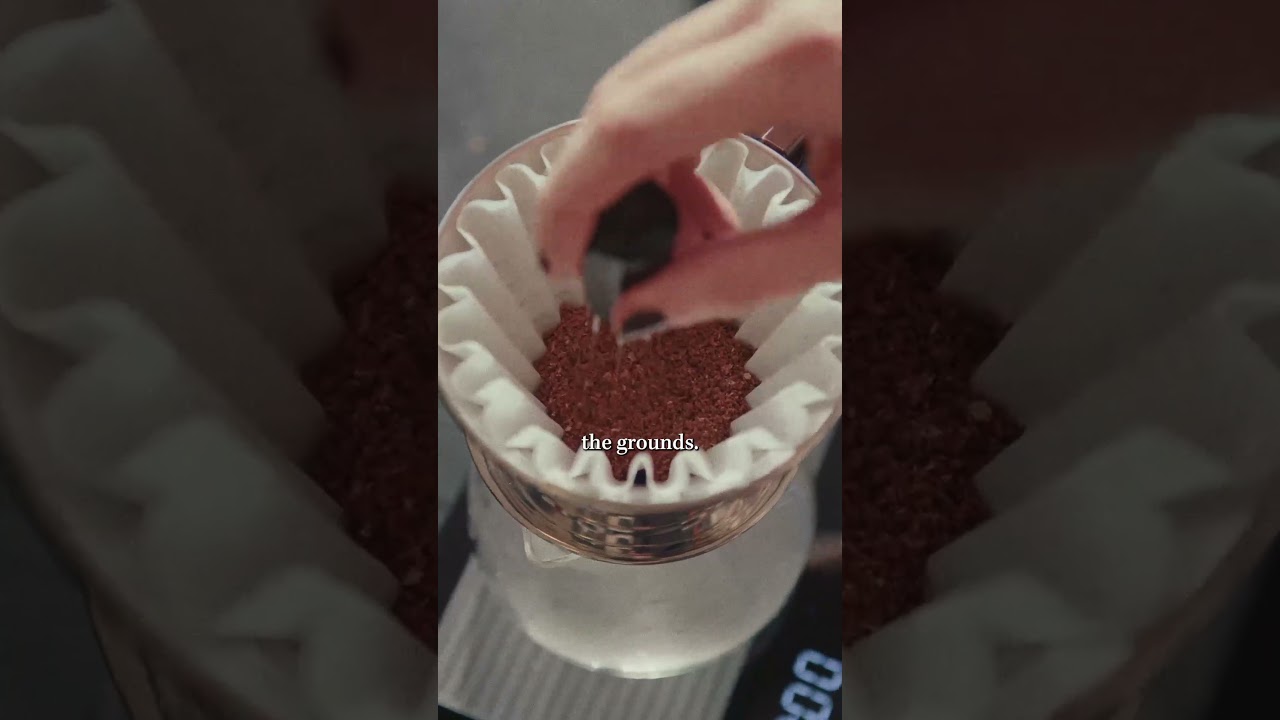
Intelligentsia's light to medium roasts are extraction-sensitive. A blade grinder will waste them. Technically speaking, but also taste-wise… grind consistency is not optional here.
Brew Guide: Key Parameters
| Brew Method | Grind | Ratio | Water Temp | Notes |
|---|---|---|---|---|
| Pour-over / V60 | Medium-fine | 1:15 to 1:16 | 93 to 95°C | 30-45 sec bloom. Kirite Washed shines here. |
| AeroPress | Medium-fine | 1:12 to 1:14 | 90 to 93°C | Lower temp softens the acidity. |
| Espresso (Black Cat) | Fine | 1:2 in 27-30 sec | 93°C | Pull longer (1:2.2) if it reads too sharp. |
| Espresso (Analog) | Fine | 1:2 in 25-28 sec | 93°C | More forgiving. Better for darker-roast fans. |
| Cold Brew | Coarse | 1:7 to 1:8 | Cold, 12-16hr | House Blend or Cold Coffee Blend works best. |
For optimal flavor, rest lighter roasts 5 to 10 days post-roast before pulling espresso. For filter coffee, 3 to 5 days off-roast is sufficient.
If you're serious about brewing Intelligentsia at home, grinder quality is the difference between an excellent cup and a frustrating one. Our guide to the best burr grinders under $200 is worth reading before your first order.
Where Intelligentsia Falls Short
Let's be direct. The brand has real weaknesses.
⚠️ The Honest Cons
The corporate ownership point is worth sitting with. When Peet's moved in, the specialty coffee world worried loudly. The honest assessment is that quality has held up better than feared. But the structural tradeoff between scale and precision is real, and consumers deserve to weigh that honestly.
Intelligentsia Pricing: The Real Math 📊
Cost Per Shot Analysis: Black Cat Classic
| Metric | Number |
|---|---|
| Bag price | $17.50 / 12oz |
| Shots per bag | ~22 to 25 |
| Cost per home shot | $0.70 to $0.80 |
| Comparable café shot (Chicago) | $4 to $6 |
| Shots to break even vs. café | ~8 shots |
The home brewing math is strongly favorable even at Intelligentsia's price point. You're paying for craft-level coffee at a fraction of café cost.
For single origins at $22 to $27 per 10oz, the per-ounce cost climbs to $2.20 to $2.70. That's premium territory. Justified if sourcing transparency and producer relationships are values you're actively buying. Optional if you're purely after a good cup.
Subscriptions shift the math again. Free shipping on every order. 10% off add-ons. Early access to new releases. For anyone buying Intelligentsia two or more times per month, the subscription is an obvious yes.
Who Should Buy Intelligentsia
✅ Buy Intelligentsia if you:
❌ Look elsewhere if you:
Frequently Asked Questions
Is Intelligentsia Coffee worth the price?
Yes, for specialty coffee enthusiasts. The Black Cat Classic at $17.50 per 12oz is competitive within its quality tier. Single origins at $22 to $33 carry a legacy premium, but the sourcing transparency and consistent cup quality justify the cost if those factors matter to you. For pure value-per-ounce, several alternatives compete hard.
What does Intelligentsia Black Cat espresso taste like?
Bright and citrus-forward with a milk chocolate finish and medium body. It runs lighter than traditional Italian-style espresso. If you expect a dark, bittersweet shot, this will taste wrong. If you're evaluating third-wave espresso on its own terms, the Black Cat Classic is a benchmark.
Is Intelligentsia still an independent roaster?
Intelligentsia operates independently in terms of daily operations and branding, but it has been majority-owned by Peet's Coffee since 2015. Peet's itself is part of a larger corporate group. The original quality identity and sourcing philosophy remain, but it is not an independent roaster in the traditional sense.
How does Intelligentsia compare to Stumptown?
Both are owned by Peet's and both maintain strong quality. Intelligentsia leans brighter and more origin-forward. Stumptown is more balanced and accessible. For single-origin exploration with traceable sourcing, Intelligentsia edges ahead. For everyday blends across brewing methods, they're essentially equivalent.
What is Intelligentsia direct trade?
Intelligentsia's direct trade program involves building long-term relationships with coffee producers, paying above commodity and Fair Trade prices, and publishing farm-level sourcing information so customers can trace their coffee to specific producers. It was one of the first formal direct trade programs in U.S. specialty coffee, established in the early 2000s under green coffee buyer Geoff Watts.
What is the best Intelligentsia coffee for beginners?
The House Blend ($17.50) is the best entry point. Approachable flavors, solid quality, honest pricing. The Black Cat Classic is the second recommendation for anyone interested in specialty espresso at home.
The Verdict
Final Rating Breakdown
| Category | Score |
|---|---|
| Coffee Quality | 4.8 / 5 |
| Black Cat Espresso | 4.7 / 5 |
| Direct Trade Integrity | 4.2 / 5 |
| Value for Money | 3.5 / 5 |
| Product Range | 4.0 / 5 |
| Roast Date Transparency | 3.2 / 5 |
| Overall | 4.2 / 5 |
The historical importance is real. The direct trade sourcing is real, with appropriate post-acquisition caveats. The Black Cat Classic espresso is one of the most refined espresso blends available at this price point in the U.S. market. The Ethiopian and Kenyan single origins are consistently excellent and well-documented.
The pricing requires honest evaluation. You are partly paying for coffee quality and sourcing transparency. You are partly paying for three decades of legacy brand equity. Whether that balance is worth it depends on how much the story behind the coffee matters alongside the coffee itself.
For specialty coffee enthusiasts who care about craft, origin traceability, and the history of third-wave coffee in America, yes. Intelligentsia is still one of the best.
For pure value-per-cup, the market has caught up. In some corners, it has surpassed it.
That tension is exactly where a 4.2/5 lives. Not a failing grade. Not a perfect one. An honest one.