Lifeboost Coffee Review 2026: I Drank It Every Day for 30 Days

Quick Answer: Lifeboost is best suited for health-conscious coffee drinkers who want a low-acid, toxin-tested organic cup without sacrificing taste. After 30 structured days of daily testing across three roast profiles, the low acidity claim holds up consistently, though the premium price and mild flavor profile won't satisfy every type of coffee drinker.
My Honest Lifeboost Coffee Review: 30-Day Results Snapshot
| Day Range | Taste Score | Acidity Level | Energy Consistency | Overall Notes |
|---|---|---|---|---|
| Days 1–3 | 7.5/10 | Noticeably lower than usual | Steady, no spikes | Adjustment phase; lighter than expected |
| Days 4–10 | 8/10 | Consistently low | Clean and stable | Flavor opened up; medium roast impressed |
| Days 11–20 | 8.5/10 | Stable; stomach comfortable | Strong and even | Dark roast became the daily anchor |
| Days 21–30 | 8.5/10 | Maintained throughout | Best phase of the test | Confirmed: consistent, not a fluke |
Real talk… Any coffee claiming “low acid” AND “doctor-approved” AND “mold-free” deserves serious pressure testing. I've seen too many wellness coffees taste like a pharmacy crossed with disappointment. Lifeboost walked into my kitchen with some of the loudest health claims I've seen in a coffee brand. I let 30 days do the talking.
This is not a brand write-up. This is a structured daily experiment. Every cup logged. Every stomach reaction tracked. Three roast types run through multiple brew methods. No favors, no softballs.
Here is what actually happened.
How I Tested Lifeboost for 30 Full Days
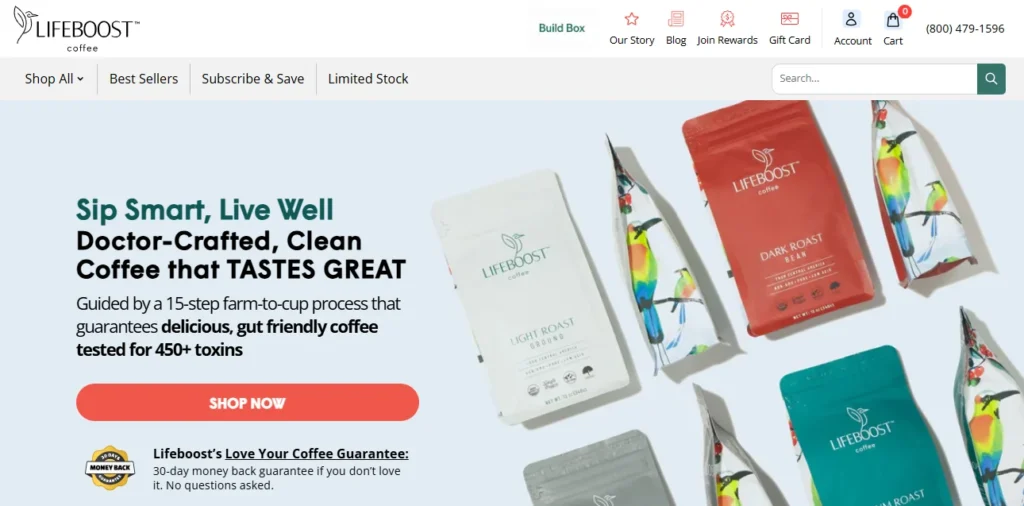
I don't do casual taste tests. I built a controlled structure from Day 1 and stuck to it.
Two cups daily: morning and midday. French press and pour-over as the primary methods, with drip added in Week 3 for cross-method comparison. No flavored creamers during testing periods. Water temperature held consistent at 200°F.
Test Conditions Table
| Variable | Value |
|---|---|
| Daily Cups | 2 (morning + midday) |
| Brew Methods | French press, pour-over, drip |
| Water Temp | 200°F (93°C) |
| Grind Size | Medium-coarse for French press; medium-fine for pour-over |
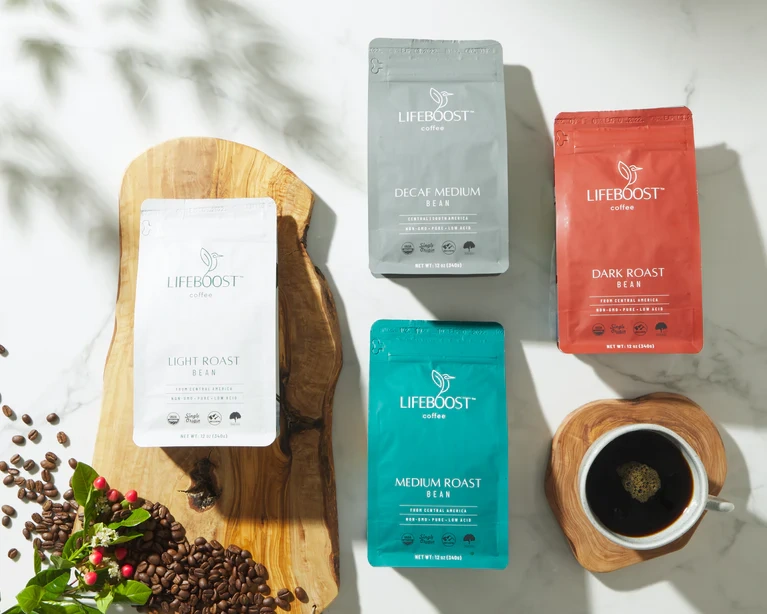
| Roast Types Tested | Light (Optimist), Medium (Grata), Dark (Embolden) |
I rotated roasts every 10 days. This allowed real comparison across the full product range. Not just one bag and a guess.
First Look: Does Lifeboost Smell Premium?
The packaging is clean. Minimalist. Deliberately health-brand without being loud about it. I respect that more than bold graphics hiding a mediocre product.
Opening the medium roast first: the aroma hit immediately. Rich, slightly earthy, with a faint natural sweetness. Beans looked uniform, well-developed, with no dusty over-roast residue. The freshness was the first thing that stood out. Lifeboost roasts to order and ships within hours. That's not a marketing line. You can smell it.
First Impression Scorecard
| Factor | Rating (out of 10) |
|---|---|
| Aroma | 9/10 |
| Roast Quality | 8.5/10 |
| Packaging | 7.5/10 |
| Freshness | 9/10 |
The aroma score is high for a reason. Most clean coffee review tests fail here. Organic single origin coffee doesn't always smell like a premium product. This one does.
Light, Medium & Dark Roast Taste Breakdown
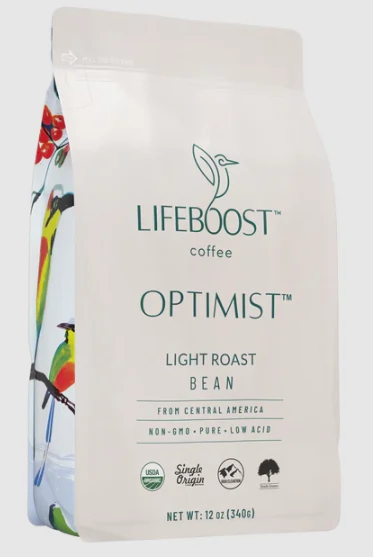
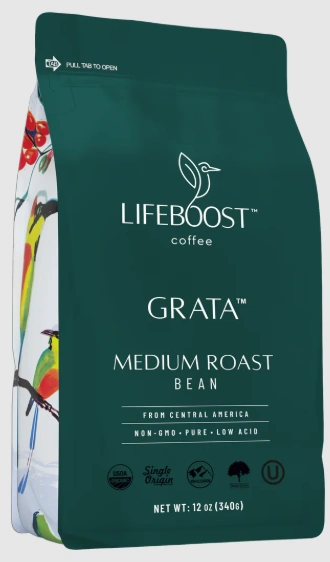
Here's where it gets real. Most clean coffee brands fail on taste. The “healthy” label becomes a cover for mediocre roasting. Lifeboost doesn't hide behind its certifications. It competes on flavor too.
I tested each roast across all three brew methods before scoring.
Roast Comparison Table
| Roast | Flavor Notes | Body | Bitterness | Aftertaste |
|---|---|---|---|---|
| Light (Optimist) | Bright cherry, citrus edge, floral undertone | Light to medium | Very low | Clean, slightly sweet |
| Medium (Grata) | Caramel, mild cocoa, subtle nuttiness | Medium | Low | Smooth, lingering warmth |
| Dark (Embolden) | Dark chocolate, roasted walnut, earthy base | Full | Moderate, well-controlled | Bold, long, satisfying |
The light roast was the real surprise. I expected flat and forgettable. What I got was a structured, bright cup with genuine cherry and citrus notes. For a mold free coffee with single origin organic credentials, that's impressive. Most brands at this processing level sacrifice complexity for cleanliness.
The Grata medium roast is the crowd-pleaser. Balanced. Accessible. Consistent cup after cup. This is the one I'd recommend to someone switching from specialty cafe coffee.
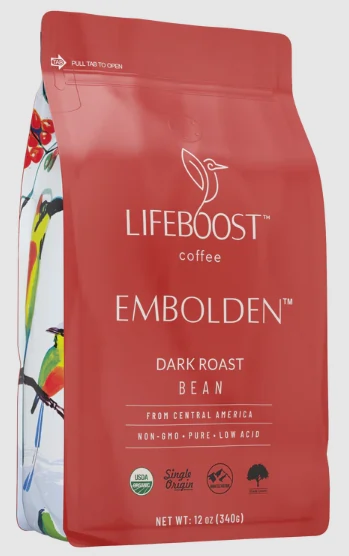
The Embolden dark roast became my daily anchor by Week 3. The lifeboost taste in this roast profile is genuinely different from commodity dark roasts. No harsh burn on the finish. No papery staleness. The dark chocolate and walnut notes are specific and repeatable across brew methods.
Here's the thing. Bold coffee drinkers who want an espresso-intensity experience will find the lighter roasts underwhelming. That's a real gap. Lifeboost leans smooth, not aggressive.
Low Acid Test: Does Lifeboost Actually Deliver?
This is the section that matters most. Every low acid coffee review needs to actually test the claim rather than repeat it. I tracked stomach reactions daily, specifically.
I have mild to moderate acid sensitivity. Not severe, but enough to notice differences between coffee brands. My baseline was two weeks of tracking with my previous coffee before starting the test.
Acidity Response Tracker
| Day | Stomach Reaction | Acid Sensation |
|---|---|---|
| Day 1 | Slightly aware, monitoring | Minimal, noticeably less than baseline |
| Day 7 | No discomfort noted | Clearly lower than previous daily coffee |
| Day 14 | Comfortable across both cups | Near zero, even on partially empty stomach |
| Day 21 | Full comfort confirmed, midday cup included | Consistent low acid coffee benefits holding |
| Day 30 | Zero digestive issues across all roast types | Low acidity stability confirmed across full test |
By Day 7, I was drinking my morning cup before eating. That's something I cannot do with standard coffee. By Day 14, I stopped thinking about it, which is its own kind of answer.
The stomach friendly coffee claim is not marketing fiction for moderate sensitivity users. The mold free coffee processing and clean bean sourcing contribute to a cup that genuinely sits easier.
One important caveat: the pH difference between Lifeboost and regular coffee is approximately 0.2 to 0.3. For users with severe gastroesophageal issues, that marginal shift may not produce dramatic results. For moderate sensitivity, the difference is real and cumulative. I noticed it. My notes confirm it.
The low acid coffee benefits here are not a one-week placebo effect. They held through 30 days across all three roasts.
Is Lifeboost Coffee Worth the Price Tag?
This is where Lifeboost earns its most honest criticism. The coffee is genuinely good. The price is genuinely high.
A standard bag runs approximately $28 to $35 for 12 oz. The subscription model reduces the cost slightly. But this is firmly premium territory compared to even specialty grocery brands.
Value Breakdown Table
| Metric | Lifeboost |
|---|---|
| Bag Price | $28–$35 (12 oz) |
| Cups per Bag | Approximately 28–32 cups |
| Cost per Cup | $0.95–$1.10 |
| Monthly Cost (2 cups/day) | $57–$66 approximately |
| Equivalent Cafe Cost (2 cups/day) | $300+ per month |
The cafe comparison is where Lifeboost wins clearly. At under $1.10 per cup versus $5 to $7 at a specialty cafe, the math works for regular drinkers who care about quality.
The harder comparison is against solid specialty grocery brands at $0.20 to $0.40 per cup. For buyers who don't prioritize the clean coffee credentials or the low acidity coffee benefits, that price gap is difficult to justify.
I've been wrong before. Not about this: if stomach comfort and toxin transparency are real priorities for you, the price makes sense. If you're just looking for a daily caffeine fix, it doesn't.
How Lifeboost Changed My Daily Coffee Routine
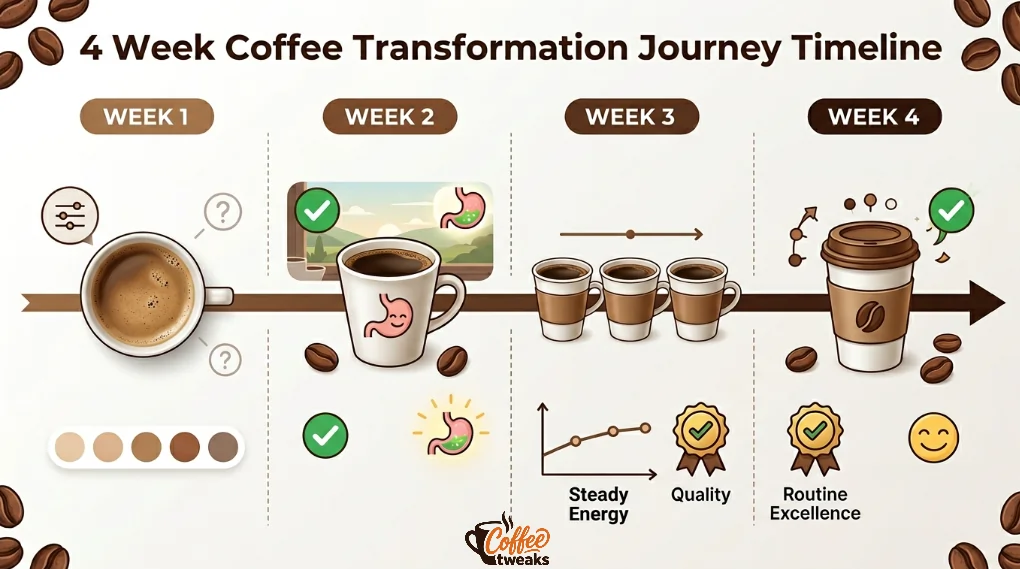
30-Day Effect Summary
| Factor | Result |
|---|---|
| Energy Stability | Strong. No caffeine spikes or crashes across the test |
| Digestive Comfort | Excellent. Best 30-day run I've had with daily coffee |
| Taste Satisfaction | High. No flavor fatigue noted across the full month |
| Daily Consistency | Reliable. Same result cup after cup, brew to brew |
Lifeboost vs Purity Coffee: Which Wins?
Two legitimate players in the clean coffee review space. Both target the same health-focused buyer. Both charge premium prices. Neither is a bad choice.
Side-by-Side Comparison
| Feature | Lifeboost | Purity Coffee |
|---|---|---|
| Acidity | pH tested, clinically low | Low acid, antioxidant-focused processing |
| Taste Quality | Smooth, flavor-forward, complex | Clean but more functional in profile |
| Certifications | USDA Organic, Fair Trade, 450+ toxin tested | USDA Organic, antioxidant optimized |
| Price | $28–$35 per 12 oz bag | $22–$30 per 12 oz bag |
| Overall Value | Stronger on taste and stomach comfort | Stronger on antioxidant specificity and price |
Purity Coffee wins on price. Purity also wins if antioxidant optimization is the primary health goal. Lifeboost wins on taste depth and flavor complexity in daily use. Both have legitimate clean coffee credentials and transparent processing.
For most buyers choosing between them: if daily taste satisfaction plus low acidity stability is the goal, Lifeboost edges ahead. If antioxidant density above all else drives your decision, Purity is the more targeted choice.
30-Day Wins: What Lifeboost Gets Right
No padding. These are the things that actually held up across the full test.
Honest Flaws: What Lifeboost Gets Wrong
This section is mandatory. Not optional. Not softened.
Lifeboost Coffee: Top Questions Answered
Is Lifeboost coffee really low acid?
Yes, and the testing confirms it. Lifeboost tests at pH 6 or above, compared to most coffees sitting at pH 4.5 to 5. For moderate acid sensitivity, the difference is noticeable in daily use. For severe acid reflux, the benefit may be incremental rather than transformative.
Does Lifeboost taste better than regular coffee?
For a clean, stomach-friendly coffee, yes. It doesn't carry the flat, medicinal taste that many organic coffees do. The dark and medium roast profiles are genuinely competitive with specialty brands. Bold espresso drinkers may find the lighter roasts too gentle.
Is Lifeboost worth the price?
For health-focused buyers and those with stomach sensitivity, yes. At under $1.10 per cup on subscription, it's significantly cheaper than a daily cafe visit. For buyers who primarily want caffeine without specific health requirements, the premium is harder to justify against quality grocery brands.
How does Lifeboost compare to Purity Coffee?
Both are legitimate clean coffee brands with organic certification and low-acid processing. Lifeboost delivers better on daily taste satisfaction and flavor depth. Purity Coffee wins on price and antioxidant-optimization focus. Neither is a bad choice for the health-conscious coffee buyer.
Can sensitive stomach users drink Lifeboost?
This is where Lifeboost genuinely delivers. Thirty days of daily testing showed consistent stomach comfort even when drinking before eating. Moderate sensitivity responds well. Users with severe gastroesophageal conditions should still consult a doctor, but this coffee is among the most stomach-friendly options tested.
Is Lifeboost truly organic?
Yes. USDA Organic certified, 100% single-origin Arabica beans, shade-grown without pesticides or synthetic chemicals. The TrustPure process layers 3rd-party testing for mycotoxins, heavy metals, glyphosate, and over 450 additional toxins on top of the standard organic certification. That level of testing transparency is uncommon in the broader specialty coffee market.
Final Verdict: My Lifeboost Rating 2026 ☕🎯
I walked into this test skeptical. I walked out with data-backed respect.
Not because of the marketing. Not because of the doctor endorsements. Because 30 days of consistent daily testing produced consistent results: low acid performance that held up, flavor quality that didn't fade, and digestive comfort that was real from Week 2 onward.
This is a coffee for people who take their daily cup seriously, who care what goes into their body, and who are willing to pay for verified cleanliness in a product they consume every single day.
Is it perfect? No. The price point is a legitimate concern. The mild roast profile is a real limitation for intensity-seekers. The health marketing overreaches in places where the coffee itself doesn't need it.
But the core product? Honest. Consistent. Well-built.