Blue Bottle Coffee Review 2026: Is It Officially a Ripoff?

Real talk… Blue Bottle was the coolest coffee brand in America for about a decade. The blue logo. The minimalist cafés. The 48-hour roast promise. It was the third-wave flex.
But it's 2026. Nestlé just sold the company to Centurium Capital. Bags now sit between $19 and $26 a pop. And honestly? I'm not sure the Blue Bottle coffee review I would've written five years ago still holds up.
I was a Blue Bottle subscriber for almost three years. I still have the branded cup somewhere. So this isn't a hit piece. It's a check-in. A real one.
Quick Answer
For people who want clean, approachable, light-medium roasts with consistent freshness and gorgeous packaging, Blue Bottle is still good coffee… it's just no longer special at the price.
If you're chasing flavour-per-dollar in 2026, there are better options. If you want a reliable subscription with name recognition, it still does the job.
Blue Bottle Coffee at a Glance (2026)
| Factor | The Honest Take |
|---|---|
| Price per bag | $19–$26 for 6oz/12oz… the $15 era is over |
| Roast freshness | Still legit, ships within days of roast |
| Flavour profile | Clean, balanced, light-medium, sometimes flat |
| Subscription value | Convenient but pricey vs indie roasters |
| Single origin lineup | Solid, not jaw-dropping |
| Best for | Beginners, gifters, café-loyal customers |
| Skip if | You want bold, complex, or budget-friendly |
| Maya's rating | 3.7 / 5 |
Is Blue Bottle Coffee Still Worth It in 2026?
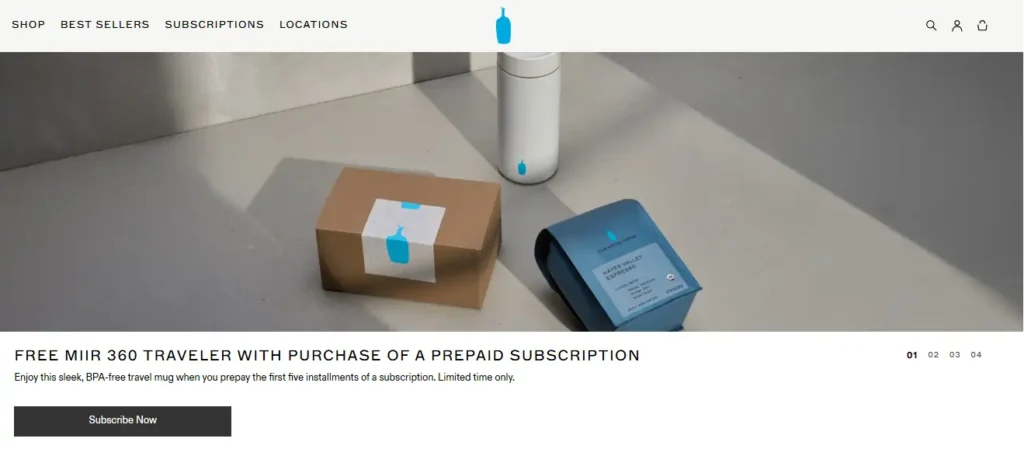
Short answer: sometimes. Long answer below.
Here's the thing. Blue Bottle hasn't really gotten worse. The roasting is still careful. The sourcing relationships are still real. The packaging with the one-way degassing valve still keeps beans fresh longer than most competitors.
What's changed is the rest of the specialty coffee world. Five years ago, paying $15 for a bag of light-roasted Ethiopian was a premium move. In 2026, that same money gets you something more interesting from Onyx, Sey, Black & White, or honestly your local roaster three blocks away.
Blue Bottle stopped being the exciting one. It became the safe one.
The Current Lineup: What You're Actually Getting
The 2026 Blue Bottle catalogue splits cleanly into four buckets. Worth knowing before you commit.
Hayes Valley Espresso is still their workhorse. Chocolatey, low-acid, forgiving on a home machine. I dialled it in on my Lelit Mara X at 1:2 in 28 seconds and it pulled clean every time.
The single origins are where it gets uneven. Some pop. Some taste like a polite version of what they could be.
Hayes Valley Espresso
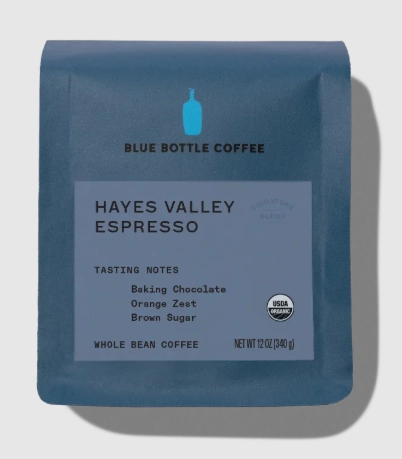
Roasted slightly darker than the rest of the lineup. Cocoa, toasted almond, a faint dark cherry on the finish. If you make milk drinks at home, this one delivers. It's the most beginner-friendly espresso bean Blue Bottle sells.
Bella Donovan
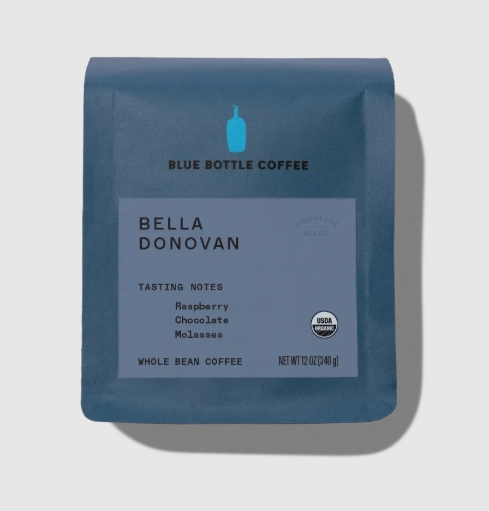
Their best-seller for a reason. Berry jam, dark chocolate, a smooth body. Works in pour over, French press, and drip. Low-key the one I'd give as a gift to a non-coffee person.
Single Origin Assortment
This is where Blue Bottle still earns its price. The lots are genuinely interesting… washed Ethiopians with jasmine and lemon, Colombian honey processes with apricot, Kenyan SL28 with that classic blackcurrant punch. If you only try one Blue Bottle subscription, make it this one.
Blue Bottle vs Stumptown: Same Price, Different Cup
This is the comparison everyone makes and I've finally got an opinion I'm not apologizing for.
| Factor | Blue Bottle | Stumptown |
|---|---|---|
| Roast style | Light to medium, clean | Medium to medium-dark, bolder |
| Flavour focus | Bright, balanced, restrained | Chocolatey, rich, classic |
| Best brewer | Pour over, drip | Espresso, French press, cold brew |
| Vibe | Minimalist, polished | Pacific Northwest, scrappy |
| Bag price | $19–$26 | $18–$24 |
Honestly? At the same price, Stumptown's Hair Bender hits harder than anything Blue Bottle puts in a bag. Bigger body, more chocolate, more obvious flavour for people who don't taste coffee for a living.
Blue Bottle wins on subtlety. Stumptown wins on impact. Pick based on whether you want to notice your coffee or savour it slowly.
If you're choosing between them for espresso specifically, our guide to the best beans for home espresso machines breaks down five more options worth your money.
Is the Blue Bottle Subscription Worth $26 a Shipment?
It depends entirely on which subscription you pick.
The basic blend subscription runs $22 for Hayes Valley Espresso or similar. Shipping is included on subscription orders, which matters more than people realise… unsubscribed shipping is brutal on a single 6oz bag.
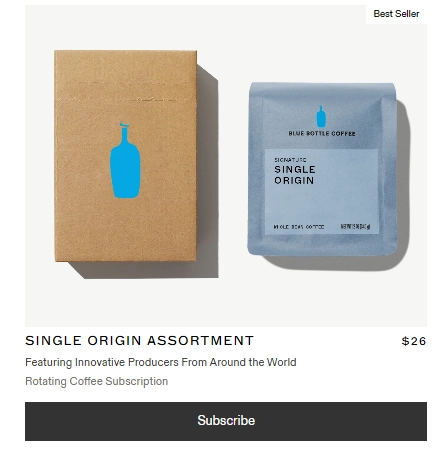
The Single Origin Assortment at $26 gets you their most curated, hardest-to-find lots. This is the only Blue Bottle subscription I genuinely recommend in 2026.
Frequency options run from every week to every month. You can pause, skip, swap, cancel without drama. The interface is clean. The delivery is reliable. The roast date is usually 2 to 4 days before it lands on your doorstep, which is genuinely fresh.
But here's the math problem. $26 per shipment, twice a month, for a year is $624. For that money you could subscribe to Onyx, Sey, OR your local roaster and get more interesting coffee with more personality.
Freshness, Packaging, and the Stuff They Still Get Right
Blue Bottle's 48-hour freshness promise is mostly real. Beans are typically roasted within a week of arrival. The bag itself uses a one-way degassing valve and a resealable pull-tab, which actually preserves flavour for the 2 to 3 weeks you'll be working through it.
The labelling is honest. Roast date printed clearly. Tasting notes that mostly match the cup. Origin, process, varietal, altitude… all there for the nerds among us.
Customer service is fast and human. I had a bag arrive damaged in 2024 and a replacement was on its way within an hour of my email. That's not nothing.
Has Nestlé Killed the Vibe? And Now Centurium?
Yes and no.
Nestlé bought a majority stake in Blue Bottle back in 2017 for around $425 million. The original fans freaked out. The branding stayed minimal. The coffee… stayed mostly the same. For a few years, you couldn't really taste the corporate ownership in the cup.
But the soul shifted. Café expansion slowed. New blends started feeling safer. The brand's edge softened into something that looked more like a luxury lifestyle product than a coffee company.
Then in April 2026, Nestlé confirmed the sale to China-based Centurium Capital, reportedly valuing Blue Bottle at around $400 million… less than what Nestlé paid for it. Nespresso kept the rights to the single-serve pods. The cafés and the bagged coffee business went to the new owner.
What that means for the coffee in your cup is still TBD. The team hasn't changed yet. The roast profiles haven't changed yet. But ownership changes always trickle down eventually.
What Blue Bottle Gets Wrong
I've been wrong before. Not about this.
That's the honest list. Not deal-breakers. Just true.
Who Should Still Buy Blue Bottle in 2026?
You'll genuinely enjoy Blue Bottle if you fit one of these:
Skip Blue Bottle if you want bold, surprising, or boundary-pushing coffee. Or if you're price-sensitive. The indie scene has caught up and in many cases passed them.
If subscriptions are your thing, our roundup of the best coffee subscription boxes for 2026 has six alternatives I personally rotate through.
How Blue Bottle Brews Best at Home
Quick guidance from someone who's wasted enough beans dialling these in.
The single origins reward the V60. The blends are happier in espresso and drip. Don't waste a $26 Ethiopian on your Mr. Coffee.
FAQ
Is Blue Bottle Coffee actually worth the price in 2026?
For most drinkers, Blue Bottle is good but no longer exceptional value. You're paying for freshness, packaging, and brand at $19 to $26 per bag. Independent roasters often deliver more interesting coffee at the same price.
What's the difference between Blue Bottle and Stumptown?
Blue Bottle roasts lighter and aims for clean, balanced flavours. Stumptown roasts medium to medium-dark and leans bolder and more chocolatey. Same price range, different cups.
Which Blue Bottle subscription is best?
The Single Origin Assortment at $26 per shipment. It rotates through the most interesting and limited lots Blue Bottle sources. The blend subscriptions are fine but less exciting.
Did Nestlé selling Blue Bottle change the coffee quality?
Not yet. The sale to Centurium Capital was confirmed in April 2026 and is expected to close in the first half of 2026. Roast profiles and the team remain unchanged for now.
How fresh is Blue Bottle coffee when it arrives?
Beans are usually roasted 2 to 4 days before delivery. The bags use one-way degassing valves and resealable closures to preserve freshness for 2 to 3 weeks after opening.
What's the best Blue Bottle coffee for beginners?
Hayes Valley Espresso for milk drinks and espresso lovers. Bella Donovan for drip, French press, and pour over. Both are forgiving and approachable without being boring.
Final Verdict: Blue Bottle Coffee in 2026
Blue Bottle still makes good coffee. The freshness is real. The packaging is great. The Single Origin Assortment subscription is genuinely worth trying at least once. The brand still knows how to make beginners feel welcome in specialty coffee.
But it's no longer the obvious choice. The $15/bag hype belonged to a different era when Blue Bottle was the only widely available third-wave roaster shipping fresh beans nationwide. That era is over. Indie roasters caught up. Direct trade got easier. Subscription services multiplied.
I'm still a Blue Bottle drinker. Just not a Blue Bottle devotee. Not anymore.
If you want to try it, the Single Origin Assortment is the place to start. See Latest Price