
— Coffee Game · Free Coffee Tool
Coffee Flavor Vocabulary Game | Taste Match
Place tea-like, syrupy, jammy, earthy and other descriptors on a body-and-acidity map.
No signup
Free to use
Practical result
Flavor map round
18
Place this descriptor
Jammy
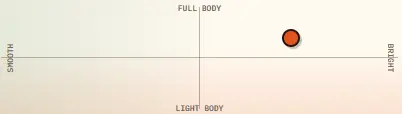
Your placement
Score 88 / 100
Give flavor words a sensory location.
Place descriptors such as tea-like, syrupy, jammy and earthy on a body-and-acidity map, then compare your intuition with the reference zone.
Learn by placing
Broad zones, not rules
— Use the tool
Start With What You Know
Approximate answers are fine. Better measurements produce a sharper result, but the tool is designed to give you a useful first move either way.
— Coffee guide · Built around the tool
How to Get More From Taste Match
Use the guide below to understand the inputs, read the result correctly, and make the next brew easier to diagnose.
Taste Match is a free coffee flavor vocabulary game for home brewers who want to connect common tasting words with understandable mouthfeel and acidity positions. It replaces vague advice with an interactive result built from descriptor challenge, body position, acidity position, and confidence level. The remaining questions add context instead of noise, helping the tool choose a useful starting direction for the coffee, equipment and routine entered. Nothing is locked behind an account, and the result can be copied, printed or saved on the device when the tool includes a history feature.
The value of this coffee flavor vocabulary game is not only the final number or label. It shows how the recommendation was formed and what should happen next. The main outputs include placement score, reference zone, descriptor explanation, similar words, and brew or coffee example. That gives beginners a direct action while still giving experienced brewers enough detail to judge the assumptions. The wording avoids fake precision because coffee is affected by grinder calibration, water composition, filter behavior, roast style and personal taste.
How to use the coffee flavor vocabulary game
Start by entering descriptor challenge, body position, acidity position, and confidence level. Use real measurements whenever possible. A weighed dose is more useful than a scoop, an actual brew time is more useful than “about three minutes,” and a roast date is more useful than the purchase date. When an answer is uncertain, choose the closest description and treat the result as a first test rather than a final verdict.
Each word has a broad reference zone rather than one exact coordinate. Tea-like generally points toward lighter body, syrupy toward heavier body, and jammy combines fruit intensity with fuller texture. The acceptable area reflects the fact that language changes with context. After submitting the form, read the explanation before changing the recipe or setup. The tool is built to make the logic visible, which is important when two different problems can produce similar words such as weak, bitter, bright or heavy.
What the result means
A close placement is useful even when it is not exact. The explanation focuses on what a descriptor communicates in a coffee review and how it differs from related words. The result can be saved locally where relevant, so repeated uses become a record of actual preferences and brewing behavior rather than disconnected calculator sessions.
Sensory vocabulary is descriptive, not objective measurement. People can use the same word differently, especially across languages and food cultures. This is why the page uses ranges, comparisons and plain-English explanations. The result should help you choose a direction, then the next cup confirms if that direction was right.
How to get a better result
For the most useful answer, think about texture separately from flavor, compare neighboring descriptors, use the word in a real tasting note, and avoid treating the map as a quality score. Small details matter more when results are close. Keep the brewing environment stable, use the same water during a comparison, and taste at more than one temperature because sweetness, acidity and bitterness can change as coffee cools.
For consistent results, use a digital scale, repeat the same timing convention and make notes immediately after tasting. Coffee becomes easier to improve when the process is repeatable. A result that seems wrong is still useful evidence when the original inputs and the next change are recorded clearly.
Taste Match FAQ
— Keep experimenting
Your Better Cup Starts With One Change
Save the result, brew once, taste carefully, and adjust only the variable the tool recommends.